Do you tell your crew how many hours you bid the job at? Yes or no, and why?
I've heard both answers from good contractors. It's one of the best arguments in our industry, because both sides have a point.
The case for keeping it quiet
The owners who say no usually put it like this: "If they know, they'll use every hour."
I understand that worry. If the estimate says 200 hours and the crew can do it in 170, why hand them a reason to slow down? Some owners have been burned. They shared a budget once, and the job came in right on it, every hour used.
The case for showing it
The owners who say yes put it just as simply: "If they don't know, how can they beat it?"
That's where I land, from running concrete crews. A goal nobody can see isn't a goal.
When the crew knows the units and the hours, they can plan the day around them. They know how many people the pour needs. They know whether to stage material the night before. They know at noon whether they're ahead or behind.
Why crews use every hour
Here's what I learned about the "they'll use every hour" problem. Crews use every hour when the hours are the only thing being measured.
If the only score is the time card, the crew's win is more time on the card. Forty hours and as much overtime as they can get. That's not a character flaw. That's the scoreboard you gave them.
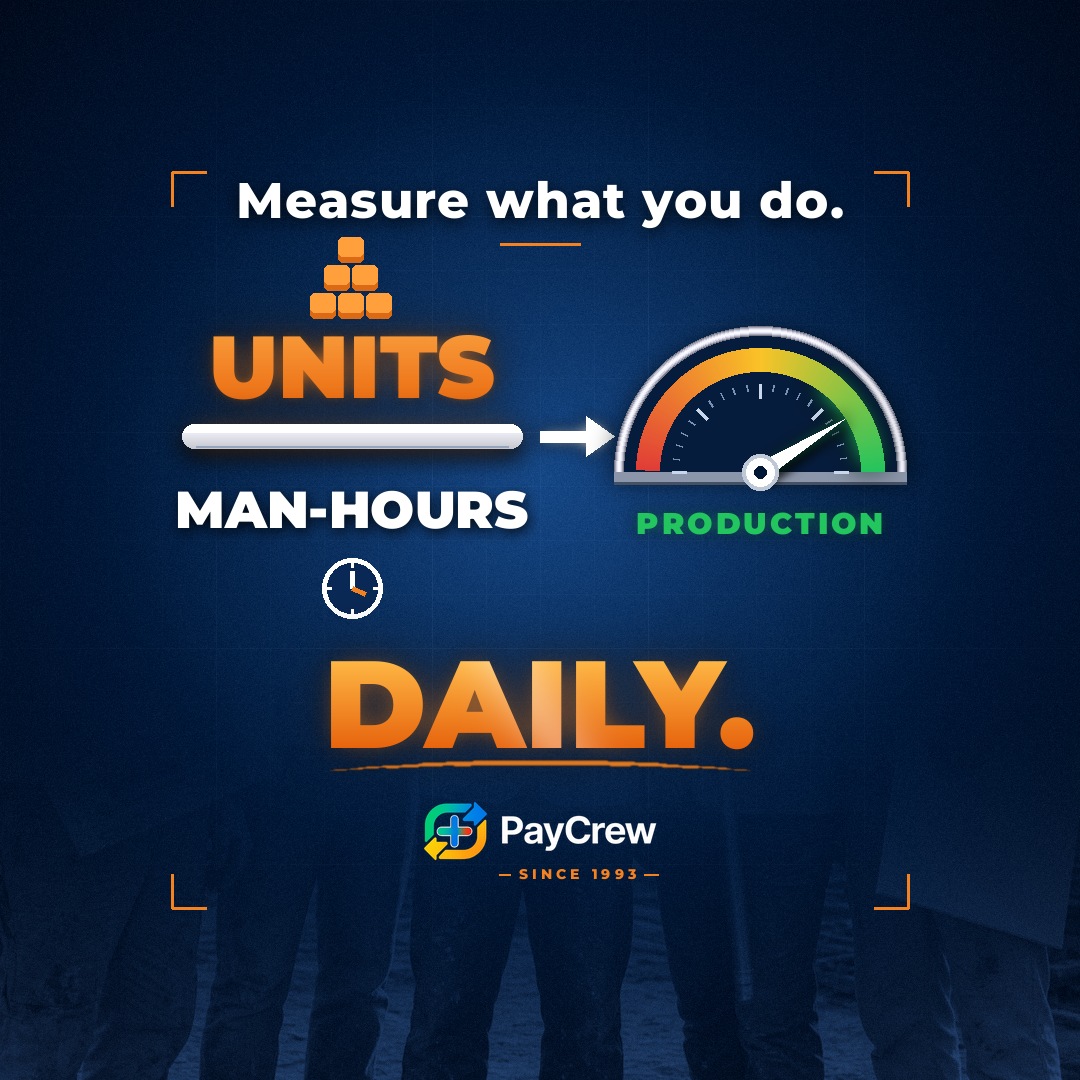
Change the score and the behavior changes. Measure units per man-hour every day. Show the crew the goal and the result. Share the savings when they beat it. Now the crew wins by getting more done in fewer hours, and they want to know the number.
When the estimate is wrong
There's another reason to show the number. Sometimes the estimate is wrong.
The crew is the first to know. They see the site conditions, the access, the pump that showed up late. When they can see the estimated hours, they'll tell you it can't be done, if you're asking.
That feedback is worth a lot. It tells the estimator what to fix on the next bid. It tells the project manager to look for a change order. Without it, you find out at closeout, when it's too late to do anything.
If the crew never sees the number, you never hear about the bad estimates. You just see the overrun and blame the field. I wrote more about that fight in who's really at fault.
How to share it well
Showing the number works best with a few rules:
- Use units they know. Yards placed, square feet finished, linear feet formed. Not dollars.
- Break it into a daily goal. A job total is hard to manage. A daily target is easy to chase.
- Show the score the same day. Waiting for payroll to post is too late. That's why we built daily production by cost code.
- Make the goal fair. Build it from real production history, so the crew believes it.
- Share the win. When the crew saves hours, they should see part of that savings.
Where do you draw the line?
I've made my case. Show the crew the number, measure the result every day, and let them help you fix the estimate.
But I want to hear how you handle it. Where do you draw the line?
PayCrew puts the goal and the score in front of every crew, every day, built on trust.