Picture this.
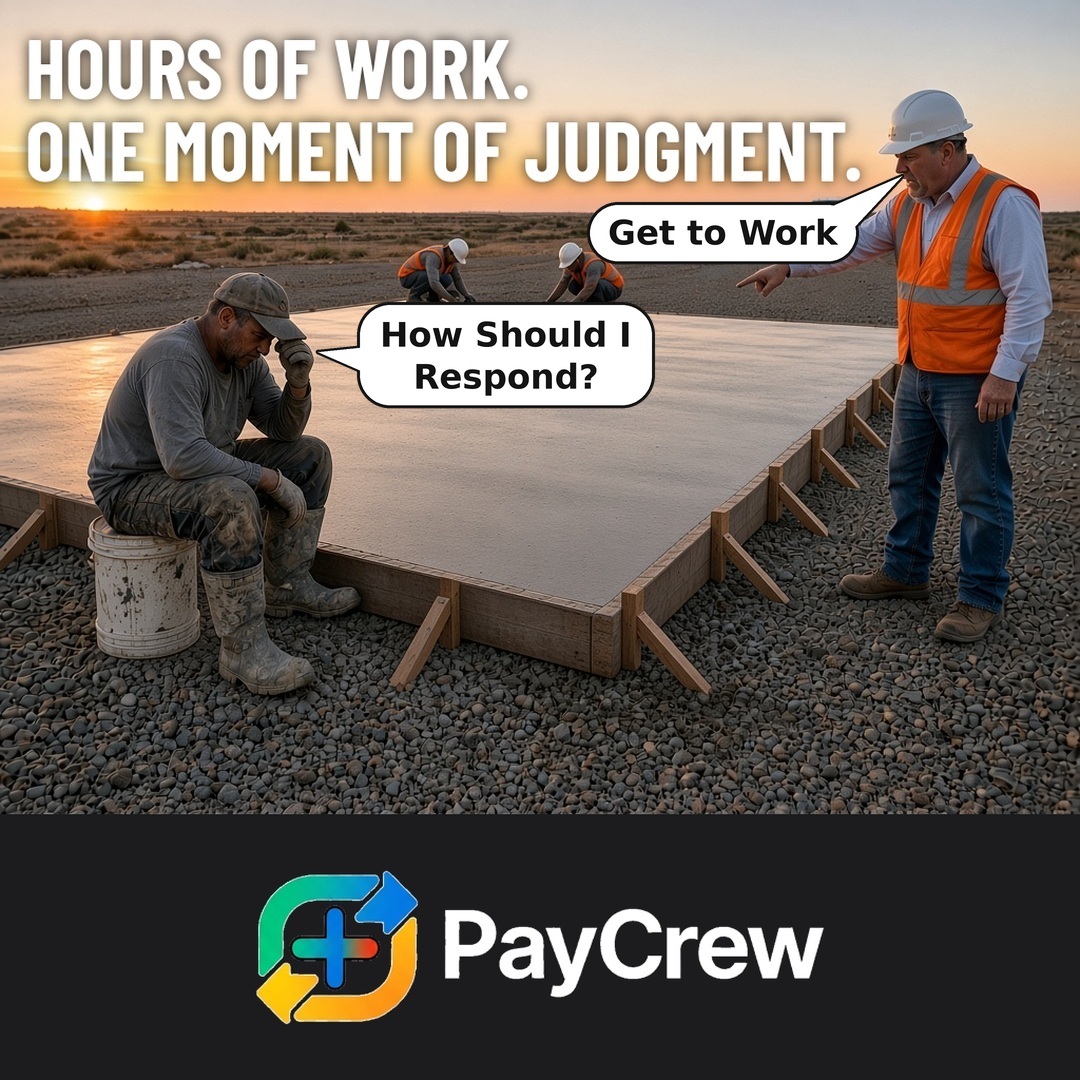
A concrete finisher has spent hours giving everything he has to the pour. He sits on a bucket for a moment, exhausted, wiping his brow.
That's when the boss arrives.
"Get to work."
He didn't see the hours of effort. He saw a man sitting down.
I've seen both sides of that scene
I spent enough years on pours to recognize that scene from both sides. I've been the guy on the bucket. I've been the guy walking up.
Old silent comedies had a favorite bit: the boss waving his arms, yelling "Faster. Faster." It's funny in a movie. On a jobsite, it's how a lot of production still gets measured. By gut feel, and by whoever looks busiest in the moment.
What the boss saw, and what he didn't
The boss saw one moment. Maybe ten seconds out of a ten-hour day.
What he didn't see was the slab. How much got placed. How much got finished. How the crew was doing against the estimate. Whether that man had just carried the hardest part of the pour.
So he judged the moment, because the moment was all he had.
And the finisher learned something too. Effort doesn't count. Looking busy does. Next time, he'll make sure he looks busy when the truck pulls up.
Faster isn't the answer. Knowing is.
What if production was being measured?
The boss could see the quantity completed, the labor hours used and how the crew was performing against the estimate. That moment of rest would have context, not just an assumption.
If the crew was ahead of goal, the bucket was earned. If they were behind, the conversation is about why. Was the material late? Was the crew short? Was the goal wrong? Those are useful questions. "Get to work" isn't.
Live numbers, not last month's
With PayCrew, that visibility includes posted payroll and unposted time as employees enter it. You don't have to wait for payroll to post to see daily production.
That matters for a moment like this. A report from last month doesn't help the boss standing on the slab today. A live number does.
Accountability, with facts
Measuring production doesn't eliminate accountability. It gives both the boss and the worker facts to have a fair conversation.
That's better for both of them. The worker gets judged on what he built, not on when someone happened to look. The boss gets to manage with facts instead of a feeling. The crew sees that effort is counted, so they keep giving it.
It's also how you build a company on trust. PayCrew doesn't use geofencing, facial recognition or fingerprint scanning. We'd rather show the crew the score than watch them. Read more in do you trust your field employees?
What the crew remembers
Crews remember moments like that bucket for years. They also remember the boss who walked up, checked the number and said thanks. One of those builds a company people want to work for.
What changes for the boss
The boss's job gets easier too. He doesn't have to guess who's working hard by watching for a few minutes. He can check the number, see the trend for the week and spend his time on the crews that need help. Walking a site becomes a chance to coach and thank people, not a chance to catch them.
How would the conversation change?
If both people knew the production results, how would that conversation change?
I think the boss would walk up and say, "You're ahead. Nice work. What do you need for the next section?"
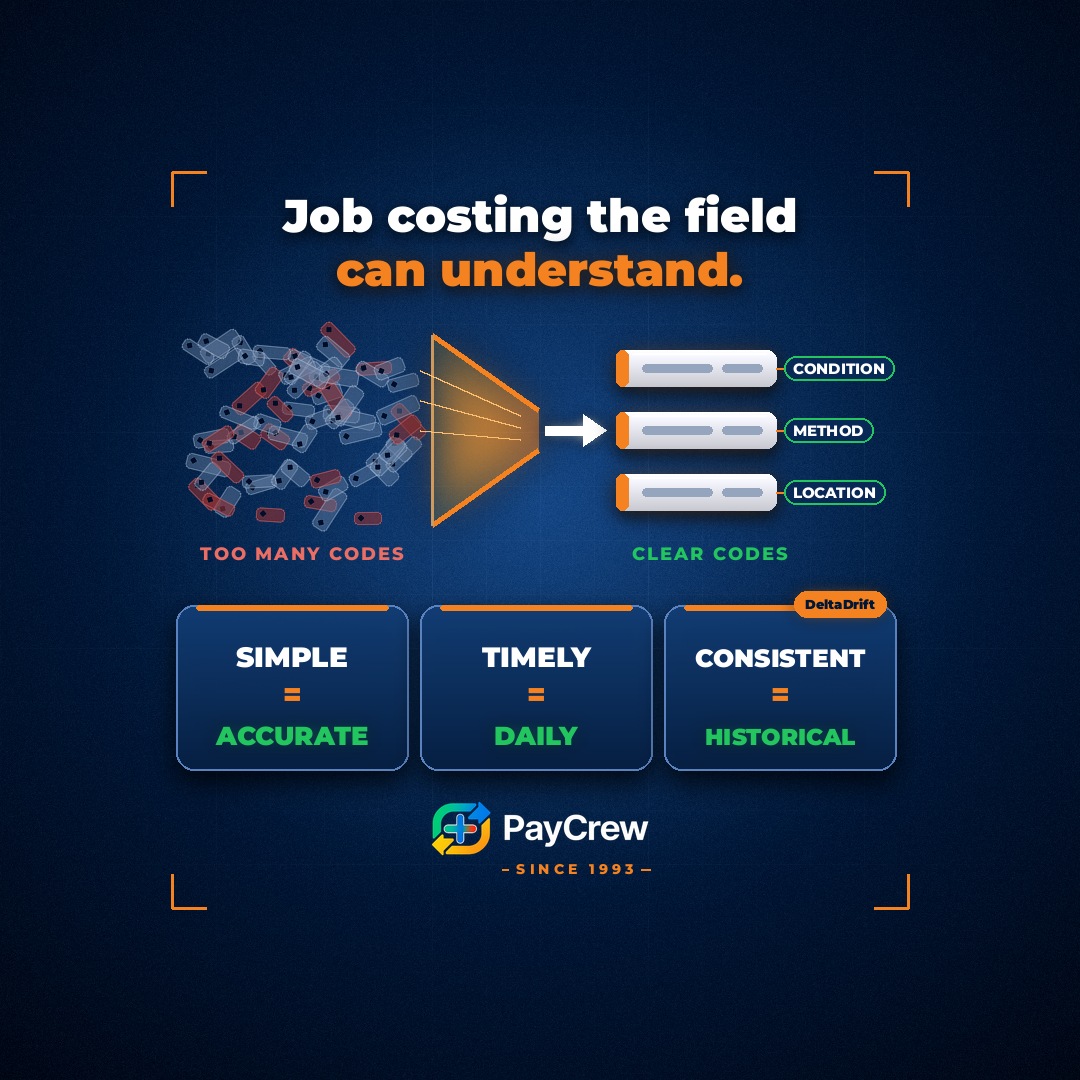
Hours of work deserve more than one moment of judgment. See how daily production by cost code gives everyone the facts.